
Trauma Therapy in Cambridge
If something frightening, painful or overwhelming has happened to you, you may find that it continues to affect you long after the experience itself has ended. Trauma therapy can help you process what happened, feel less overwhelmed by difficult memories and begin to feel safer and more like yourself again.

How can trauma effect you?
After a traumatic experience, your mind and body can continue to respond as though the danger is still present. You might experience upsetting memories, nightmares or flashbacks, or find yourself avoiding people, places or situations that remind you of what happened.
You may feel anxious, on edge or easily overwhelmed. Other people find that they feel numb or disconnected, or notice changes in how they feel about themselves and other people.
Sometimes the link with what happened is obvious. At other times, you might come to therapy because you are struggling with anxiety, low self-esteem or relationships and gradually begin to understand the impact that past experiences have had on you.
What kinds of experiences can cause trauma?

We often associate trauma with particularly extreme or life-threatening events, but people can be affected by many different experiences.
These might include an accident, assault, bereavement, frightening medical experience, abuse, coercion or betrayal. Sometimes there is one particular event that stands out; at other times, it is the cumulative effect of a number of difficult experiences.
You don't need to know whether what happened to you "counts" as trauma before coming to therapy.

Trauma in young adults and students
Difficult or traumatic experiences can be particularly disruptive during young adulthood, when you may already be dealing with the changes and uncertainties that come with university or becoming more independent.
Trauma can take many different forms. Some examples that can affect young adults and students include sexual assault, a serious accident, or a particularly painful friendship or relationship breakdown. Whatever has happened, you might find that its effects begin to spill over into other areas of your life.
For students, this can make it harder to concentrate, keep up with academic work or enjoy university life. It may also affect friendships and relationships, or leave you feeling less confident or secure than you did before.
Therapy can help you make sense of what has happened and find ways to move forward.
How can therapy help with trauma?
There isn't one right way to work with trauma. I am trained in several different psychological therapies, and we can think together about what would be most helpful for you.
I offer EMDR therapy, which can help people process distressing memories so that they feel less vivid, overwhelming or present. I also use Cognitive Analytic Therapy (CAT), CBT and Compassion Focused Therapy, which can help us understand and work with some of the ways difficult experiences continue to affect how you feel about yourself and relate to other people.

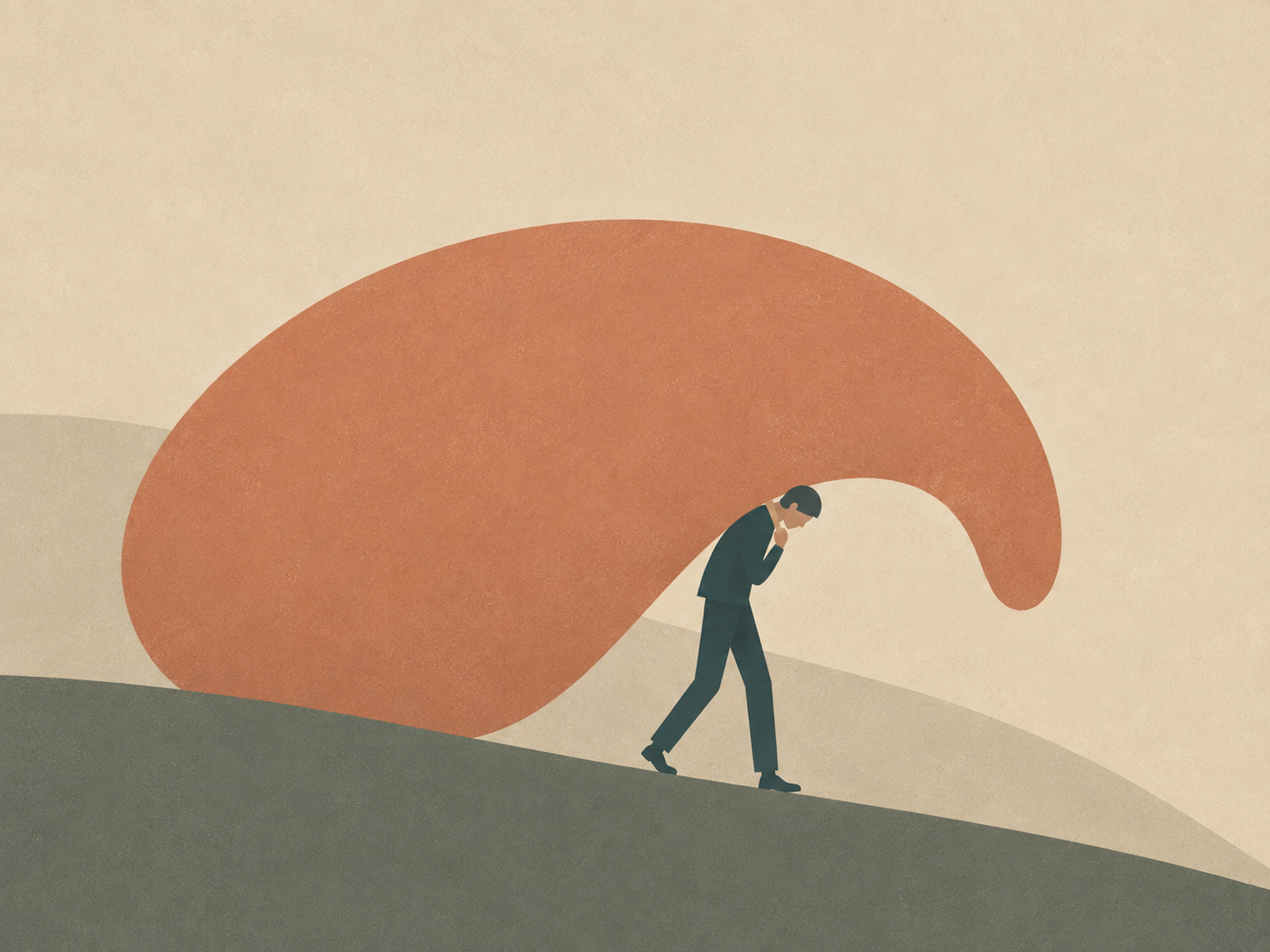
What about childhood trauma?
Difficult experiences in childhood can also continue to affect us as adults. This might include abuse or neglect, but also experiences such as bullying, growing up with a parent who was struggling, feeling responsible for other people from a young age, or repeatedly feeling criticised, rejected or unsafe.
You can read more about childhood trauma and its effects in adulthood.
Do I need to have PTSD?
No. You don't need to have PTSD, or any other diagnosis, to come to therapy because of something difficult that has happened to you.
Some people experience recognisable symptoms of post-traumatic stress. For others, the effects show up in less obvious ways. What matters is whether your experiences continue to have an impact on how you feel or live your life now.

Trauma therapy in Cambridge and online
I have worked in mental health services since 2009 and qualified as a Clinical Psychologist in 2015. I now work as a Clinical Psychologist in Cambridge, helping adults with a wide range of psychological difficulties, including trauma and its longer-term effects.
I offer therapy in Cambridge as well as online therapy. If you're unsure whether therapy might be helpful for what you've experienced, you're welcome to get in touch.